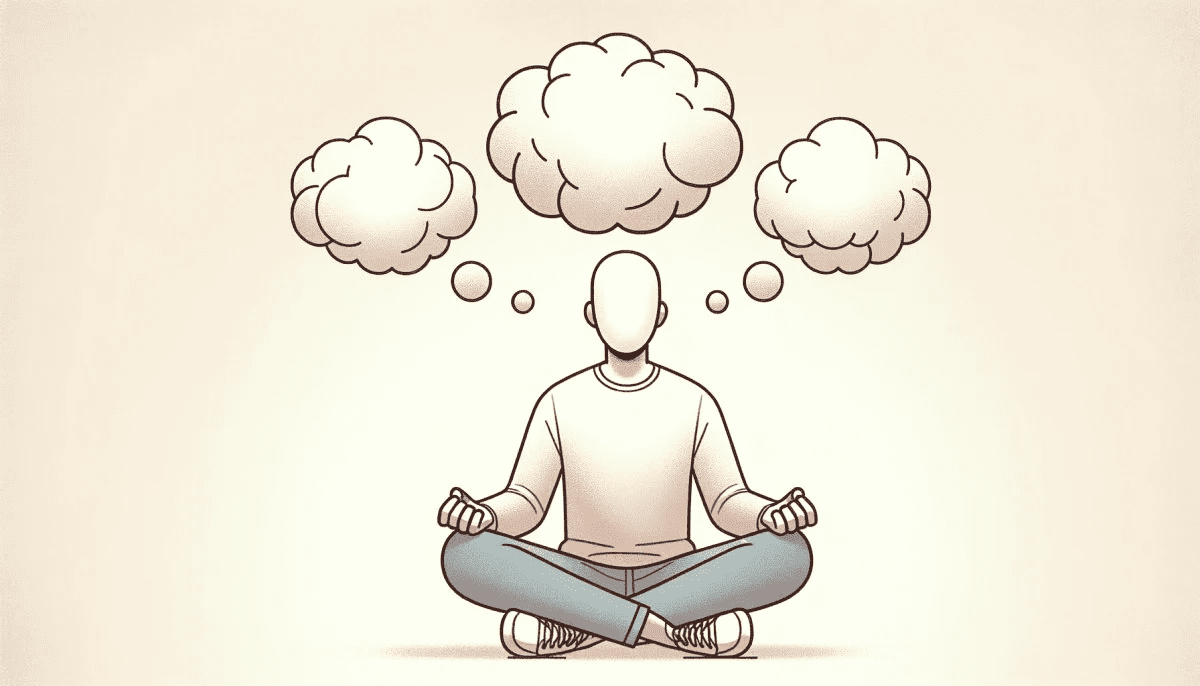
In today’s world, travel has become an exercise in planning rather than experiencing. People follow fixed itineraries, click photos, and rush to post them online — but genuine travel, the kind that awakens the mind, has quietly disappeared.
Most modern travellers don’t really travel — they simply visit. Everything is pre-decided: where to go, which route to take, what to see, where to stay, and when to return. This predictable, controlled routine leaves no space for novelty or discovery.
Studies even show that such structured trips do little for deeper mental well-being. It is the nature-based, mindful, unstructured wandering that offers real benefits, reducing stress and enhancing clarity (Nature Tourism & Mental Well-Being Study: https://www.mdpi.com/2071-1050/17/2/654).
The Illusion of Travel: Pre-set Plans, Pre-set Outcomes
When every detail is predetermined, travel becomes just another task. Many travellers:
- follow popular routes
- visit famous landmarks
- post the same type of photos
- measure satisfaction by online engagement
This creates a false sense of accomplishment.
But emotionally and spiritually, nothing changes.
Travel turns into a predictable routine, much like visiting relatives — safe, familiar, and unchallenging.
Life Is Spontaneous — Travel Should Be Too
Life is unpredictable, alive, and constantly changing. Yet modern travel is mechanical. Even if travellers were asked to switch off their phones, many wouldn’t — because the purpose isn’t experiencing the moment but capturing it.
But science clearly shows: immersion in nature improves mood, sleep, and emotional balance (Mindful Walking Research: https://pmc.ncbi.nlm.nih.gov/articles/PMC9365743/).
This happens only when you feel the environment, not when you scroll through your camera roll.
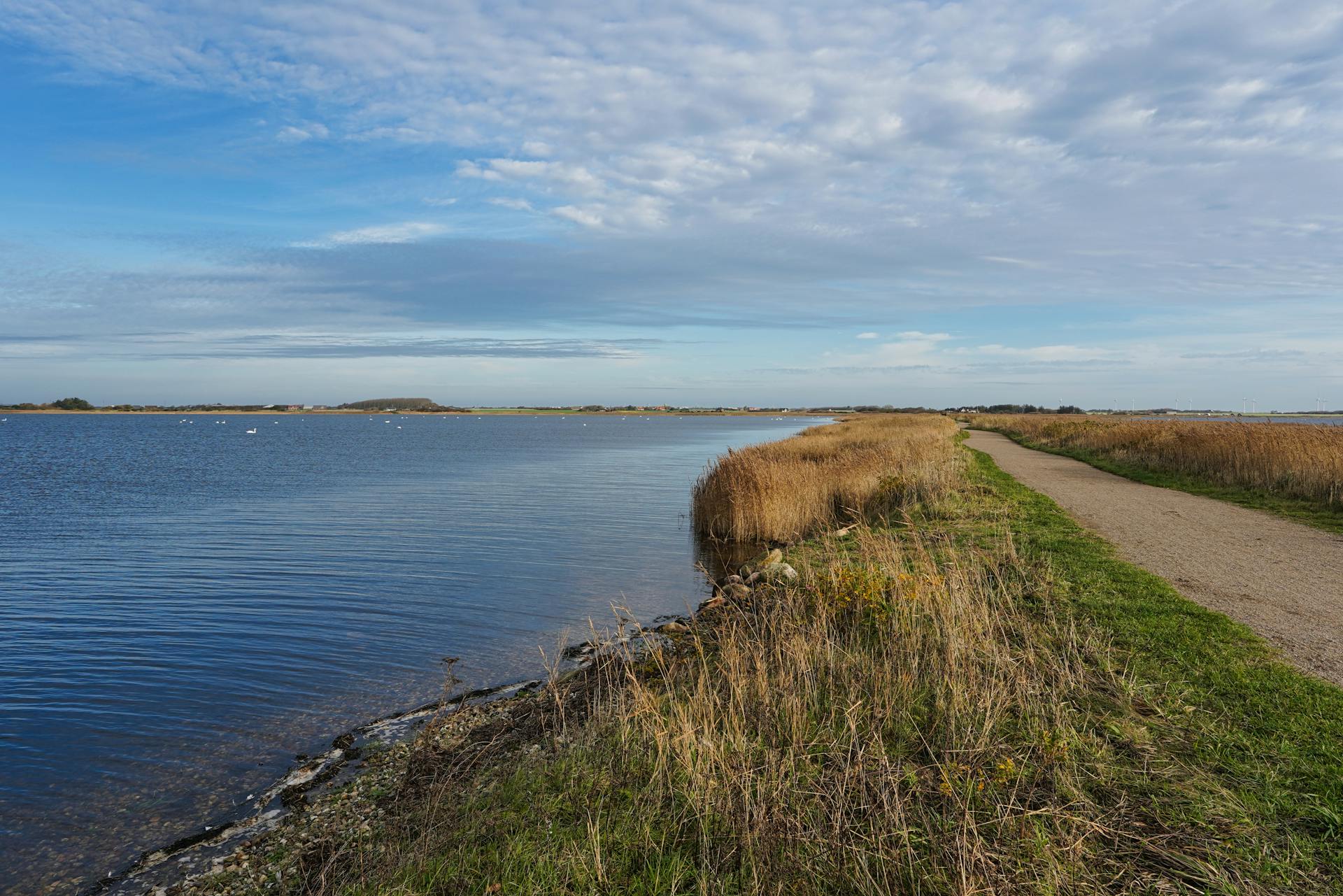
The Beauty of True Wandering
Real travel begins when you stop following a map.
Just walk with a few essentials. No strict plan. No fixed destination. Allow the path to guide you.
This kind of wandering helps you:
- observe how your mind makes choices
- notice your fears of uncertainty
- understand your habits and impulses
- reconnect with genuine curiosity
- step out of the mental cages of routine
Psychologists agree that such free, unstructured experiences boost well-being and reduce stress (Travel & Mental Well-being Insights: https://www.psychreg.org/how-travel-can-boost-your-mental-well-being/).
Even wandering near home — a quiet lane, a riverside, a small hill — can be deeply nourishing if done with awareness and without a plan.
Travel Alone: Meet Your Own Mind
At first, wandering alone may feel boring. That is because the mind constantly seeks noise.
But slowly, silence becomes soothing.
You begin to hear your own thoughts — not the thoughts forced by society or social media.
This inner clarity often emerges when external structure disappears.
The peaceful aloneness that grows during such wandering can become a form of meditation.
Enjoy the Journey, Not Just the Destination
A fixed destination narrows your attention to one point.
But wandering opens you to everything happening around you:
- leaves dancing in the wind
- insects moving in their tiny world
- birds calling from tree to tree
- people rushing with their endless busyness
- sunlight warming your skin
- wind whispering in your ears
Unhurried observation helps you see life as it truly is — dynamic, uncertain, and beautiful. This is the essence of mindful travel, often discussed in wellness tourism research (Psychological Benefits of Mindful Travel:
https://www.wellnesstourism.com/article/the-psychological-benefits-of-travel-and-wellness-tourism).
Why Wandering Matters:
• stay present
When you wander without a fixed path, your mind cannot rush toward the next destination or cling to a schedule. You naturally shift your attention to the surroundings — the sound of the wind, the movement of people, the changing colors of the sky. The absence of pre-planned steps forces the mind to live in the “now,” because there is nothing ahead that it can predict. This spontaneous awareness deepens your connection with the moment.
• appreciate small joys
When you aren’t chasing a checklist of places, you finally notice the tiny, beautiful things that are usually ignored — a leaf dancing in the breeze, a bird singing, sunlight warming your skin, or the peaceful silence of an empty road. These small joys are always present, but rushing from point to point blinds us to them. Wandering slows the inner movement, allowing even the smallest detail to become meaningful.
• let go of past regrets
As you walk aimlessly through nature or a new environment, your mind gradually shifts away from the repetitive cycle of past thoughts. The unpredictability of wandering interrupts old patterns. The mind begins observing what is in front of it instead of replaying past mistakes or regrets. Slowly, the grip of memory loosens, creating space for emotional relief.
• release future worries
Travelling with no destination removes the pressure of “what next.” There is nothing to achieve, no deadline to meet, no expectation to fulfill. This reduces anxiety about the future because for that moment, the future doesn’t exist — only the path under your feet does. Without a predefined plan, the mind stops projecting imaginary problems, helping you breathe freely and feel lighter.
• reconnect with nature
Nature is unpredictable, alive, and ever-changing — just like life itself. Wandering exposes you to this living flow. You observe the clouds drifting, the shifting patterns of light, the sound of water or leaves, and the rhythm of the ecosystem around you. This real-time interaction with nature is impossible when you are busy following a strict itinerary. Wandering allows nature to enter you, and you enter nature.
• understand your own mind
When you walk without a direction, the mind reveals itself fully — its fears, its excitement, its confusion, its curiosity, its resistance to uncertainty. You notice which paths attract you and which ones scare you. In that observation, you understand how your mind chooses, reacts, and thinks. Such insights rarely come in routine life because everything is structured and predictable. Wandering becomes a mirror to your inner world.
• find calmness and clarity
As the mind stops chasing goals and starts observing, a natural calmness arises. Thoughts slow down. The noise inside reduces. Clarity emerges because wandering allows the mind to settle without force. This clarity is not intentional — it arises simply because the mind gets space to breathe. With each step, stillness quietly grows.
In the openness of wandering lies the wonder of life.
Because when nothing is planned, everything becomes possible — and in that possibility, you rediscover yourself and the world around you.
In the openness of wandering lies the wonder of life.