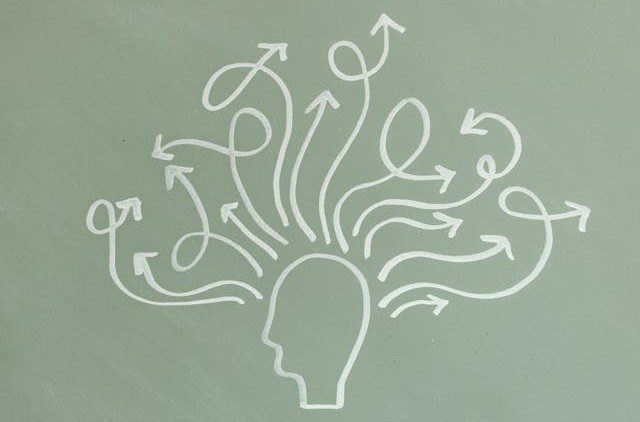
In a world flooded with distractions and instant entertainment, building the habit of hard work is more essential than ever. Hard work isn’t a gift — it’s a trained behavior, strengthened through daily repetition. Like exercising a muscle, the more consistently you practice it, the stronger and more natural it becomes.
Many feel drained or unproductive not because of lack of ambition — but because their attention gets caught in passive loops: endless scrolling, short-form videos, gossip, or constant novelty. These activities deliver quick dopamine bursts, keeping the brain hooked on anticipation rather than meaningful engagement. Over time, this pattern weakens focus, drains energy, and leaves the mind restless.
A recent report warned that excessive consumption of short-form content — like quick videos and infinite feeds — may rewire reward pathways in ways similar to addictive behaviors, impairing attention, sleep, memory, and motivation. India Today+1
Escaping this loop requires replacing passive consumption with active work — reading, writing, learning, exercising, or creating. These activities build real focus, discipline, and a foundation for inner peace.
Why Passive Consumption Often Leaves Us Unsatisfied
Passive entertainment can make the mind feel busy — but not fulfilled. Scrolling through dozens of videos or social media updates may stimulate the brain repeatedly, yet rarely allows time for reflection, learning or growth. This often leads to:
- shorter attention spans
- mental fog or confusion
- irritability or restlessness
- lack of motivation
- poor sleep quality
- frustration from unproductive days
Our brain wasn’t built for constant novelty. Rather, it thrives when given the chance to focus, reflect, and grow.
How Active Work Strengthens Brain & Mind
Engaging in active tasks — whether learning a skill, writing, reading, painting, or exercising — helps the brain form new neural connections and improves overall brain health. University of Alabama at Birmingham+2UCSF Brain Health Registry+2
Studies show that regular physical activity — even simple ones like walking, dancing, household chores or light workouts — boosts blood flow to the brain, supports memory and cognition, reduces anxiety and depression, and helps maintain long-term mental health. CDC+2World Health Organization+2
When you shift from passive consumption to active engagement or creation, your brain no longer chases instant dopamine hits. Instead, it begins to value focus, effort, and meaningful growth. Over time, this strengthens discipline, improves concentration, and supports adaptability to new challenges.
Flow State: Where Hard Work Meets Inner Peace
One of the most profound outcomes of active work is entering the flow state — a mental zone where deep focus and calm merge. In flow, your mind becomes immersed in the task; distractions fade away, and time seems to disappear.
This is much like those natural, peaceful moments we sometimes experience:
- Standing on a mountain peak, gazing at the landscape — the vast silence pulls your mind into stillness.
- Meeting someone you deeply care for, where time feels suspended and all worries fade.
- Watching a sunset, walking on a beach, or sitting by calm water, when thoughts quiet down on their own.
Active work — reading, writing, solving problems, painting, learning, playing a sport — can recreate the same inner calm, but through purposeful action rather than external scenery.
During such focused engagement, the brain shifts from default overthinking patterns to deeper, task-oriented processing. This reduces stress, sharpens mental clarity, and fosters genuine inner peace. With regular practice, flow becomes a source of mindfulness, calm, and satisfaction — proving that hard work doesn’t mean struggle; it can mean serenity.
Why Hard Work Yields Deep Satisfaction
Meaningful effort brings a sense of growth and progress that passive consumption rarely delivers. When you channel your energy into active work, you begin to feel:
- satisfaction from creating something instead of consuming
- stronger cognitive skills through continuous learning
- better resilience and adaptability to new challenges
- deeper focus and mental control
- fewer impulsive desires, because your time is purposefully spent
- growing confidence from mastering skills
- improved sleep, which further enhances mental clarity and emotional balance
Bit by bit, these benefits accumulate — creating a grounded, peaceful inner world.
Building the Habit of Hard Work
You don’t need grand overhauls; simple, consistent steps make all the difference:
- Start with just 10–15 minutes of active work per day which you actually enjoy.
- When tempted to scroll, reach for a book, journal, or a small task instead.
- Choose activities you genuinely enjoy — interest keeps the mind engaged.
- Track small wins to reinforce progress.
- Practice regularly — repetition reshapes the brain and builds discipline.
- Then there will be no need of effort, the like the scrolling this habit of hard work will also become addiction.
Final Thoughts
Hard work isn’t just about toil — it’s the path to inner peace and deep satisfaction in a world flooded with distractions. Choosing meaningful effort over passive consumption is a conscious act of self-growth. With consistency and mindful change, your brain learns to enjoy depth, creation, and focus — transforming not only your habits, but your inner life.